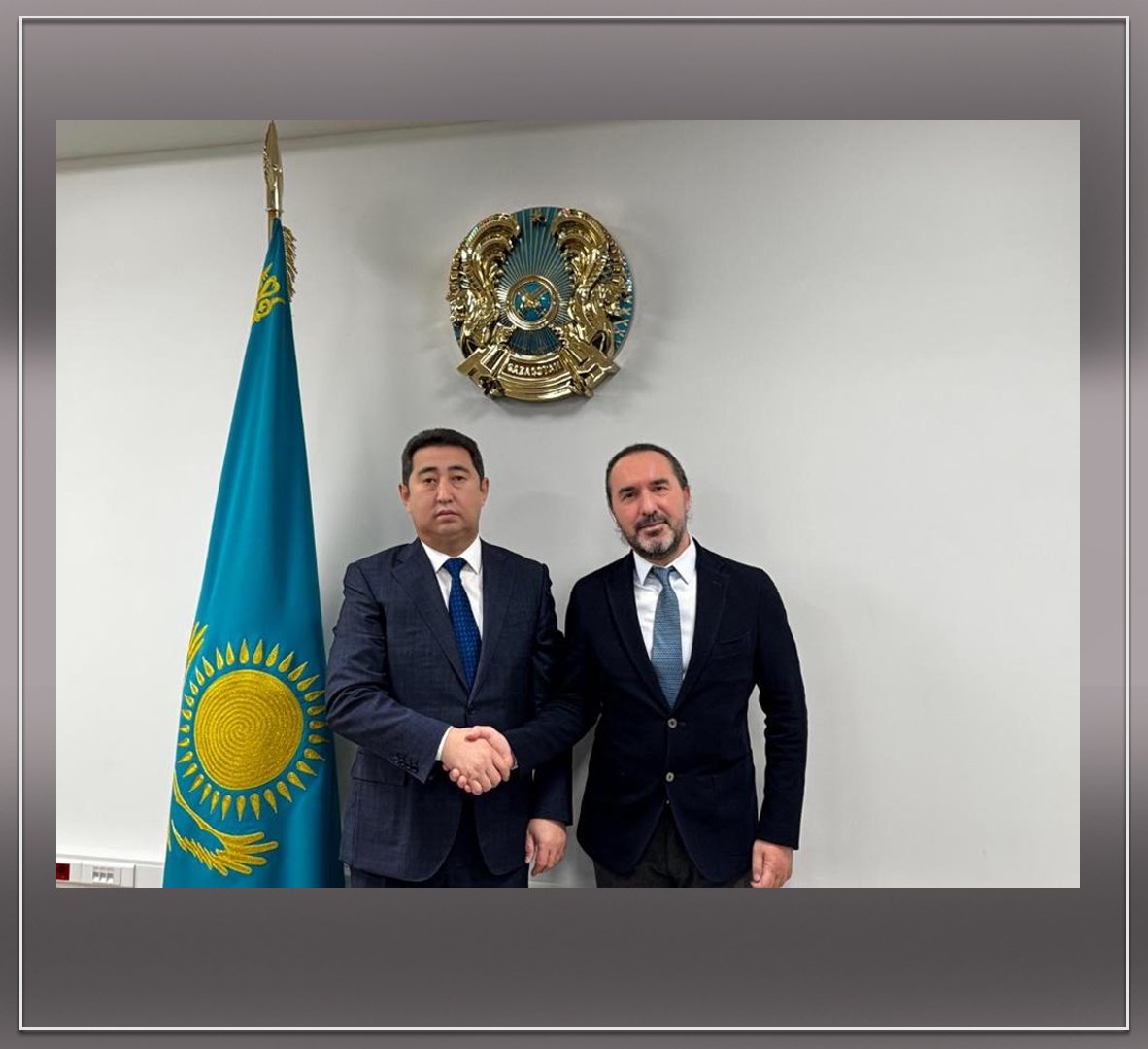



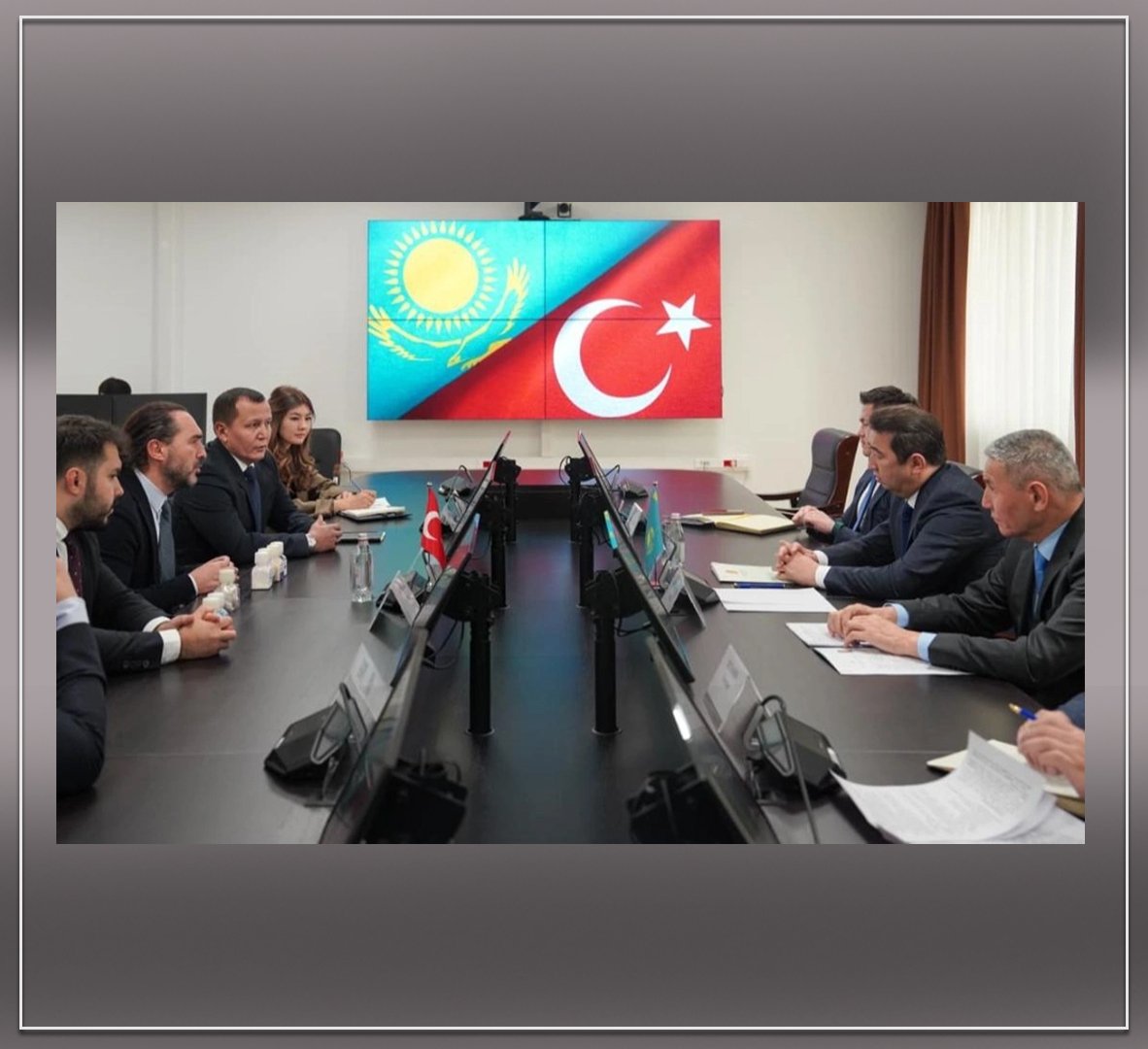
On November 18, Kazakhstan’s Minister of Agriculture, Aidarbek Saparov, met with Bilal Alkoç, Chairman of the Board of Iskefe Holding, to discuss the launch of a strategically important investment project for edible gelatin production. According to Qazinform, the Turkish company plans to begin construction of a high-tech enterprise with an annual capacity of 7,000 tonnes in 2026. The project is valued at 22.5 billion tenge.
Minister Saparov emphasized the project’s significance for strengthening Kazakhstan’s processing industry and increasing the added value of leather raw materials. Although 11 enterprises currently operate in the country with an annual capacity of 3.3 million cattle hides and 3.1 million small ruminant hides, actual utilization remains low: in 2024, only 5.9% of hides were processed, 7.7% were exported, and 86.4% remained unused.
“This project holds great importance for the development of the agro-industrial complex. The new plant will allow us to bring significant volumes of raw materials into processing, improve industry efficiency, and expand export potential. We are ready to provide full support for its implementation,” Saparov said.


The Minister also noted that the state provides substantial support for skin and wool processing, including investment subsidies, support for shearing points, mobile complexes, processing-oriented subsidies for farmers, and various tax benefits.
Within the 2024–2028 Comprehensive Plan for the Development of Agricultural Product Processing, the Ministry intends to establish over 70 wool collection points and around 200 mobile shearing complexes. These initiatives are expected to significantly increase the share of processed materials and strengthen Kazakhstan’s global standing in leather and gelatin markets.
Representatives of Iskefe Holding expressed confidence that the project will generate long-term benefits, create new jobs, and increase exports of high value-added products.
Kazakhstan’s cooperation with Turkish businesses continues to grow. To date, work is underway on 14 joint projects worth USD 1.1 billion, seven of which have already been successfully implemented.