




In my previous column, I addressed the impact of politically driven conflicts over natural resources on our industry. I would like to begin this article with a powerful quote from Mustafa Kemal Atatürk:
“Unless the life of the nation is in danger, war is a crime.”
Throughout history, the primary sources of livelihood for nations have been agriculture and livestock. Although technological progress has shifted economic focus toward underground resources—particularly oil—human survival still fundamentally depends on agriculture and animal husbandry.
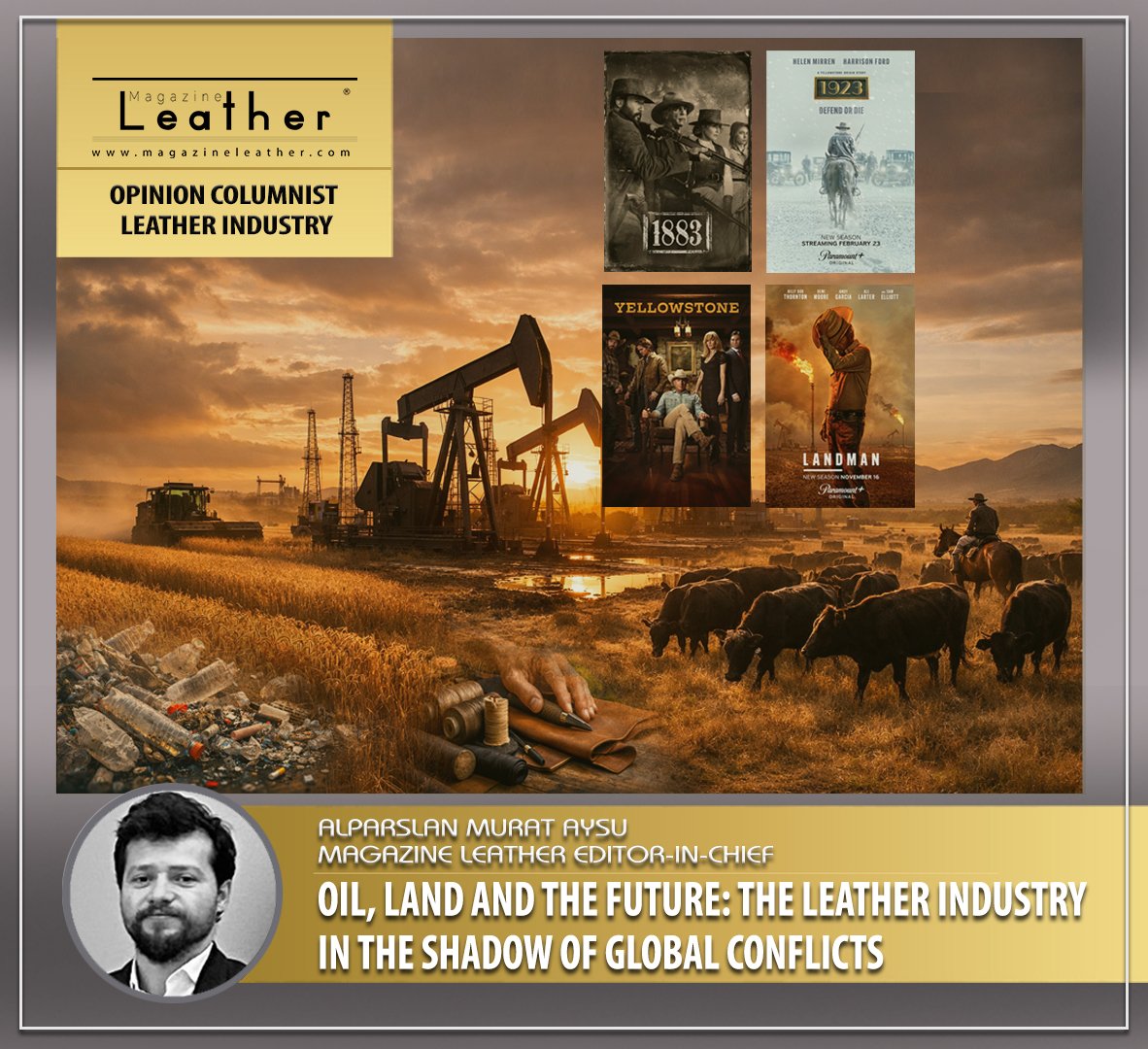
Recently, I have been watching 1883, 1923, Yellowstone and Landman. These productions highlight the importance of land, agriculture, livestock and oil within global power dynamics.


While wars in the past revolved around land and agricultural resources, today’s conflicts are largely driven by oil. Oil is both an indispensable raw material for modern life and a major contributor to environmental pollution, particularly through non-degradable plastics. Since the Industrial Revolution, increasing reliance on oil has facilitated consumption, often at the expense of the planet.
In Yellowstone, themes such as animal rights and the relocation of production to different geographies raise critical questions for our sector. Similarly, Landman powerfully illustrates how deeply oil is embedded in everyday life.
Despite living in 2026—an era defined by artificial intelligence and advanced technologies—the importance of agriculture and livestock remains undeniable. These sectors are no longer purely traditional; they are evolving into multidisciplinary fields enriched by science, innovation and technology.
However, the growing interest of younger generations in AI, robotics and defense industries risks creating gaps in fundamental production sectors. Agriculture and livestock are essential pillars of the supply chain—core links that sustain all industries. Encouraging younger generations to engage in these fields is crucial for preserving natural balance and fostering sustainable innovation.
Today, global supply chains are increasingly vulnerable to geopolitical tensions, particularly oil-driven conflicts. Yet fundamental human needs such as food and shelter depend directly on agriculture and livestock. At the same time, the development of natural and alternative materials presents new opportunities for our industry.
Wars and economic crises, while deeply disruptive to the leather and fashion sectors, also accelerate transformation and innovation. However, sustainable progress requires stability, peace and responsible resource management.
With the hope for a future where conflicts end and production regains its true value…
See you in the next article.