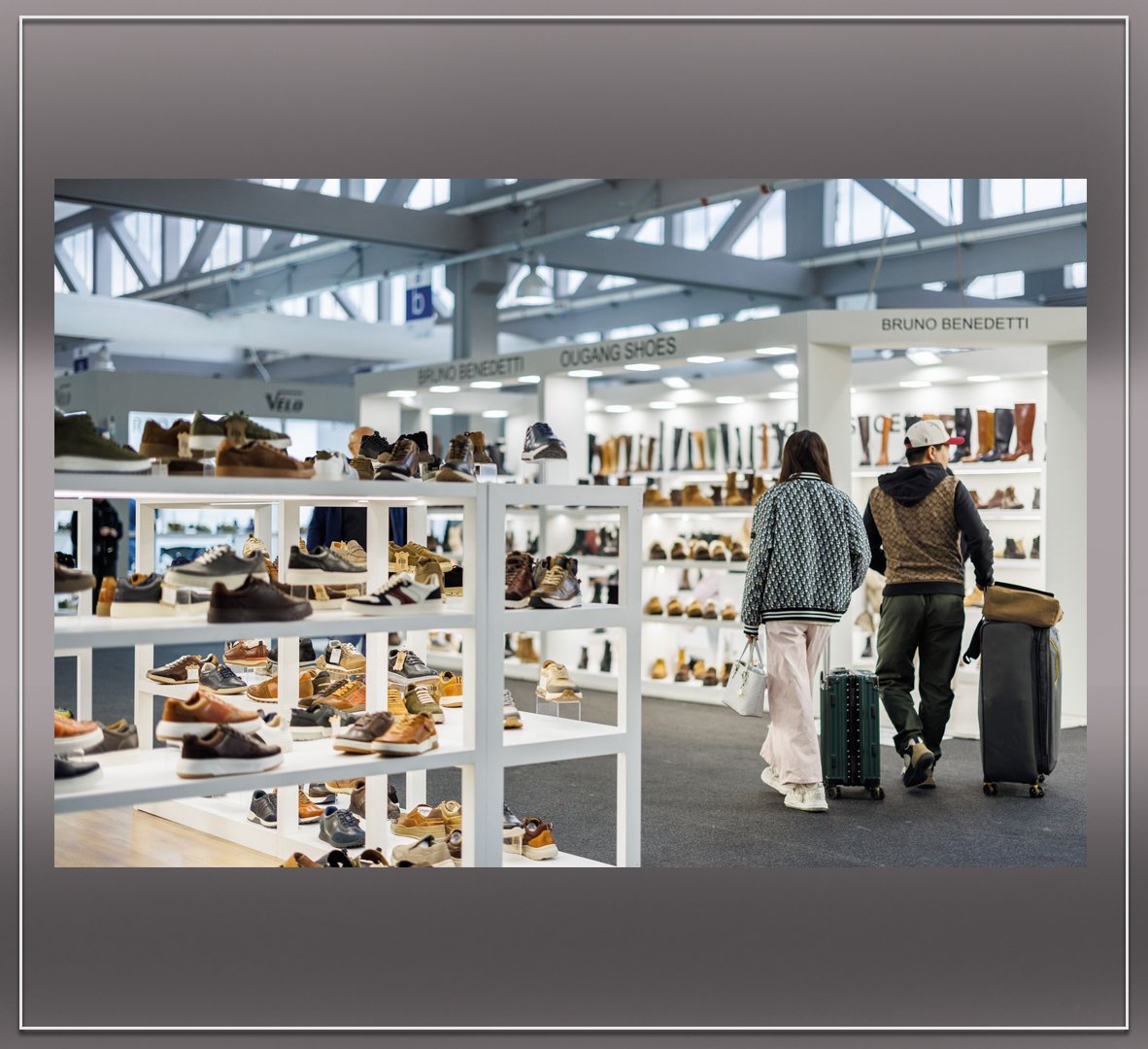



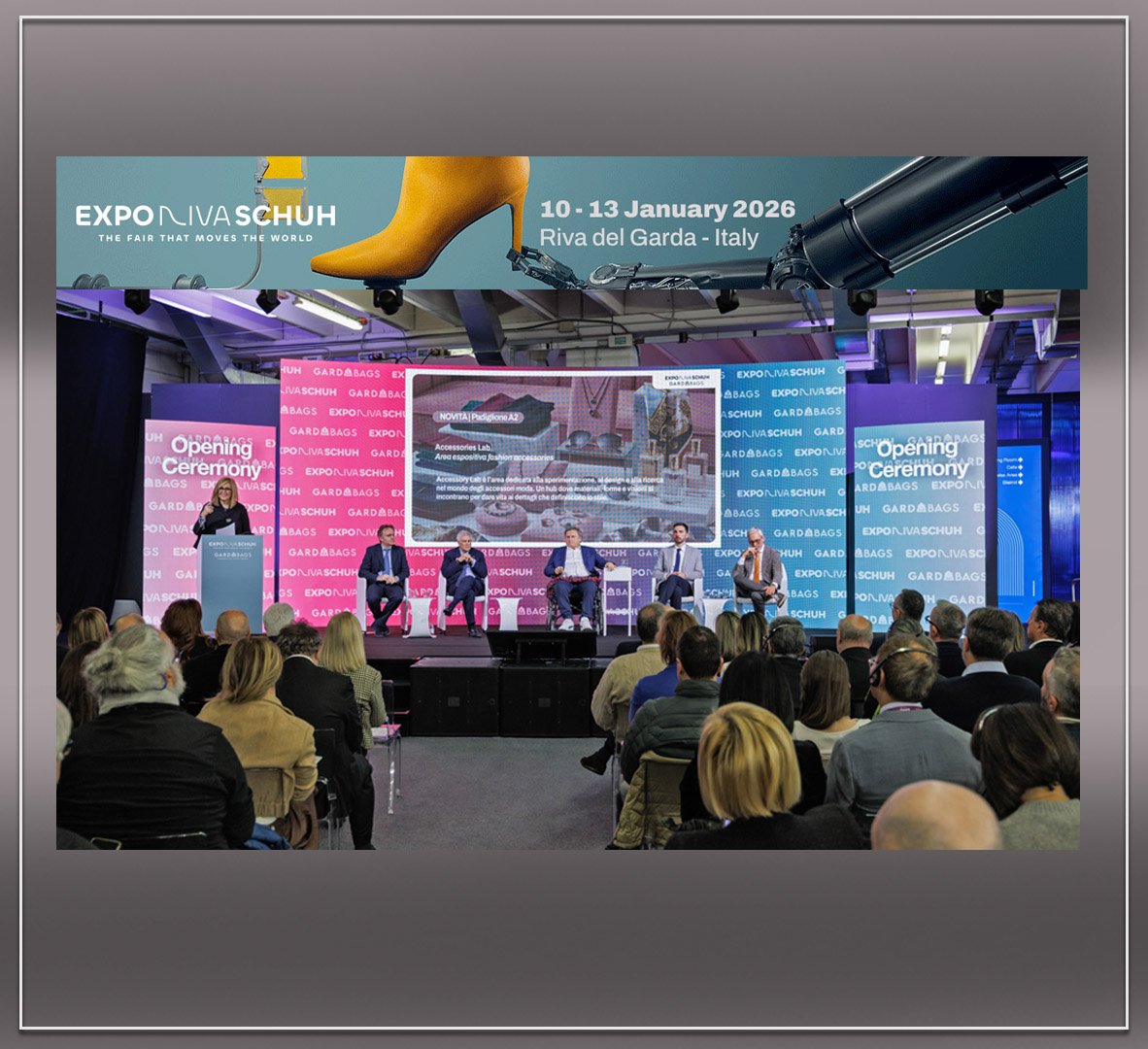
One of the world’s most influential trade fairs for footwear, bags and leather goods, Expo Riva Schuh & Gardabags, officially opened its January 2026 edition from 10 to 13 January in Riva del Garda, once again setting the tone for the global industry at the start of the year.
Speaking at the opening ceremony, economist Enrico Cietta, President of the Scientific Committee, compared the transformation of global trade to generational shifts in tennis. While champions and production centres change over time, he said, the industry still needs strong and trusted benchmarks. According to Cietta, globalisation has not disappeared but is evolving into a new model of “Affinity Globalisation,” where supply chains are shaped not only by cost, but also by geopolitical, cultural and industrial compatibility.
In this environment, the strategic value of Expo Riva Schuh & Gardabags is growing. Roberto Pellegrini, Chairman of Riva del Garda Fierecongressi, stressed that the fair’s neutral and independent positioning allows it to adapt solely to the real needs of the market. He added that the event is evolving from a traditional trade fair into a global hub for mass-market fashion, offering practical solutions for both buyers and manufacturers.


A truly global exhibition
The Autumn/Winter 2026–27 edition brings together 1,057 exhibitors from 40 countries, with 40% from Europe and 60% from outside Europe. China remains the leading exhibiting country, followed by Italy, India and Turkey, reflecting the balance between major Asian production hubs and Europe’s historic manufacturing districts.
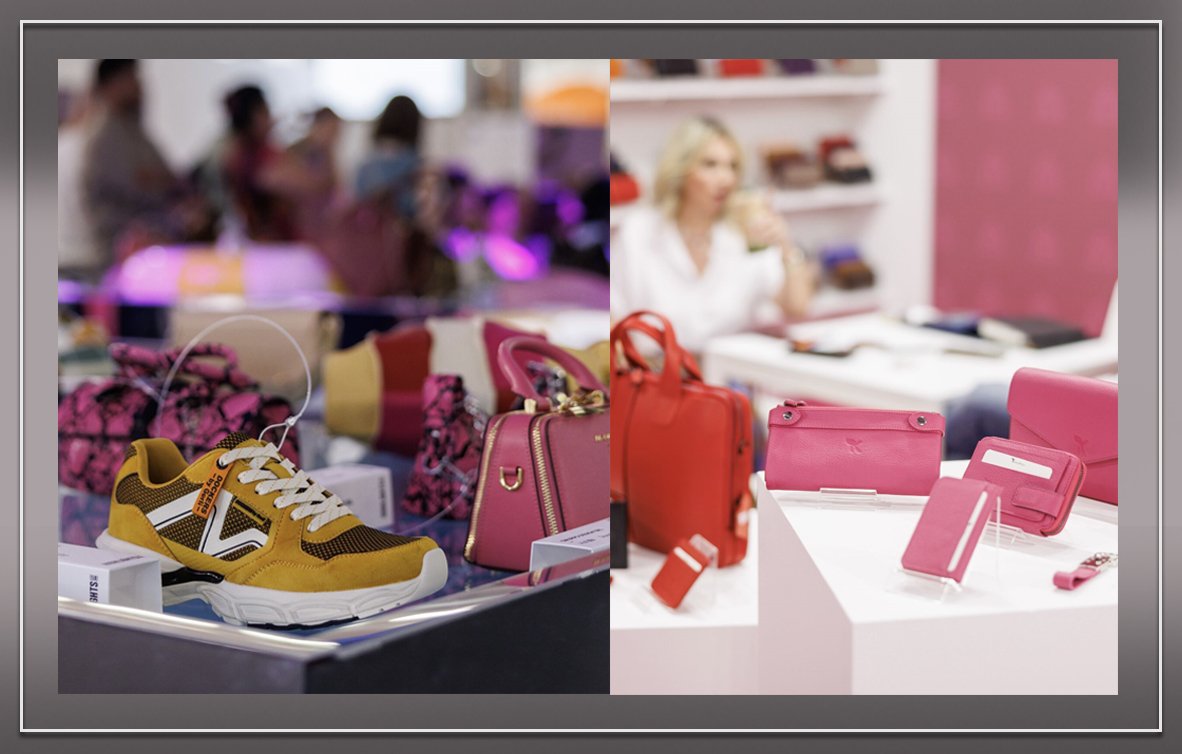
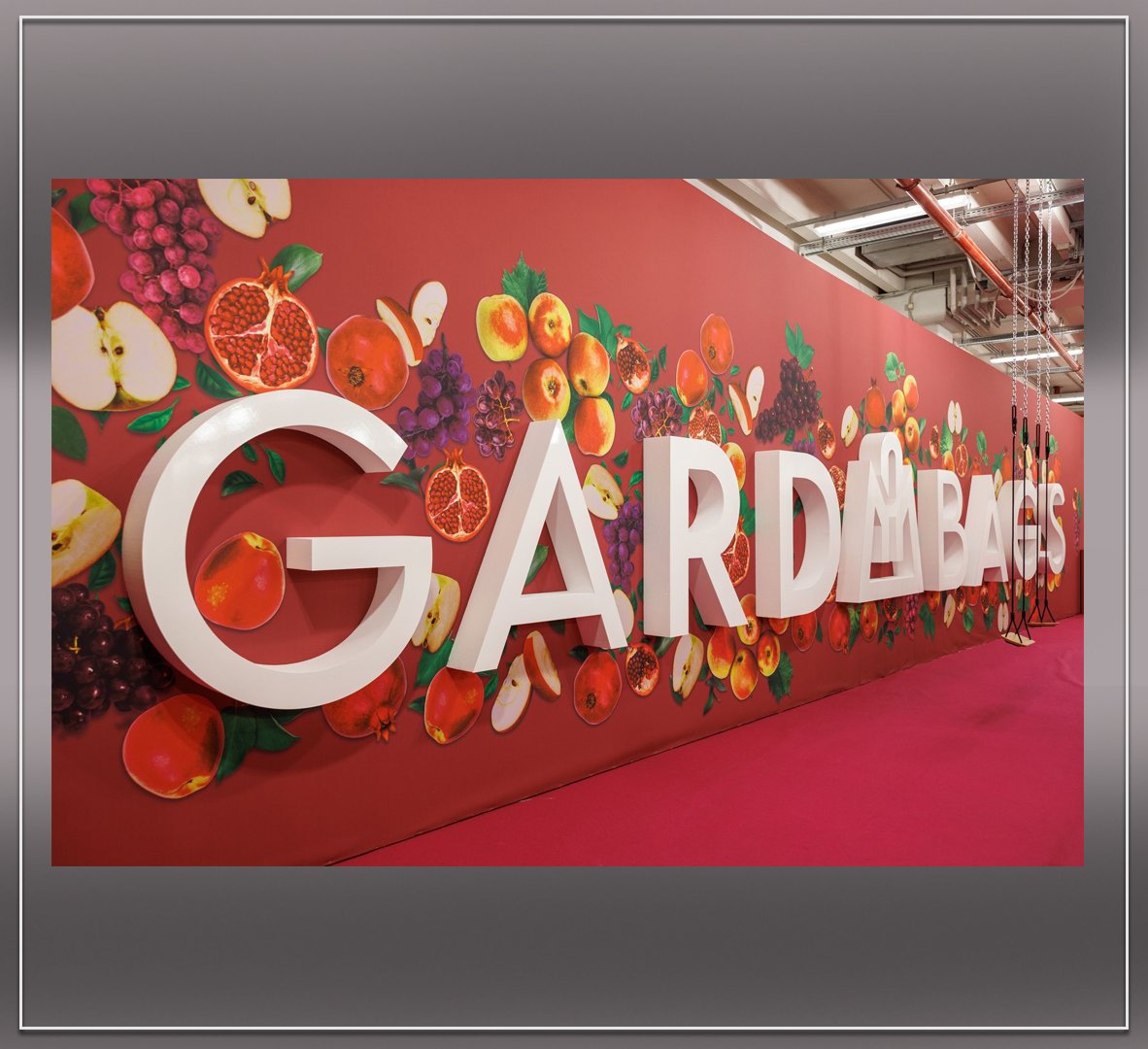
Gardabags further strengthens its role as the dedicated event for bags, leather goods and travel accessories, with more than 80 brands spread across the Brands, Sourcing and Sourcing4Bridge areas. Well-known names such as Pelletteria Charlotte, Custo Barcelona, Marina Galanti and Lancetti provide buyers with a clear and comprehensive view of the global bags market.
Strong debut from Argentina
One of the highlights of this year’s edition is the first-ever participation of a collective of 14 Argentine leather goods companies, supported by Argentina’s investment and trade promotion agency and the CIMA industry association. Their collections range from premium boutique lines to fashion-driven ranges for wider distribution, aiming to strengthen Argentina’s position in the global premium and bridge segments.
Buyers and new trade dynamics
The fair hosts 137 invited buyers and journalists from 29 countries, alongside thousands of registered professionals. The mix of independent retailers, chains, e-commerce players, importers and buying offices confirms the fair’s ability to attract all key players in international distribution.
Globalisation is changing, not ending
According to Cietta, the pandemic exposed the fragility of supply chains concentrated in only a few countries and accelerated their geographical diversification. China, he noted, is gradually moving away from volume-driven fashion manufacturing toward higher value-added production, while production and consumption increasingly coexist within the same economic spheres.
Innovation, trends and networking
Beyond products, the fair focuses strongly on innovation and future-ready business models. Innovation Village Retail and the Startup Competition bring together technology providers from seven countries, while the Highlights Area and Market Focus sessions offer in-depth analysis of consumer trends and key international markets.
With the support of Italy’s Ministry of Enterprises and Made in Italy through the “Case del Made in Italy” initiative, Expo Riva Schuh & Gardabags also strengthens the link between companies, institutions and global markets.
Once again, the Riva del Garda fair confirms itself as the industry’s true “major tournament” – not just a showcase, but a working platform where the future of global footwear and leather goods is actively shaped.