


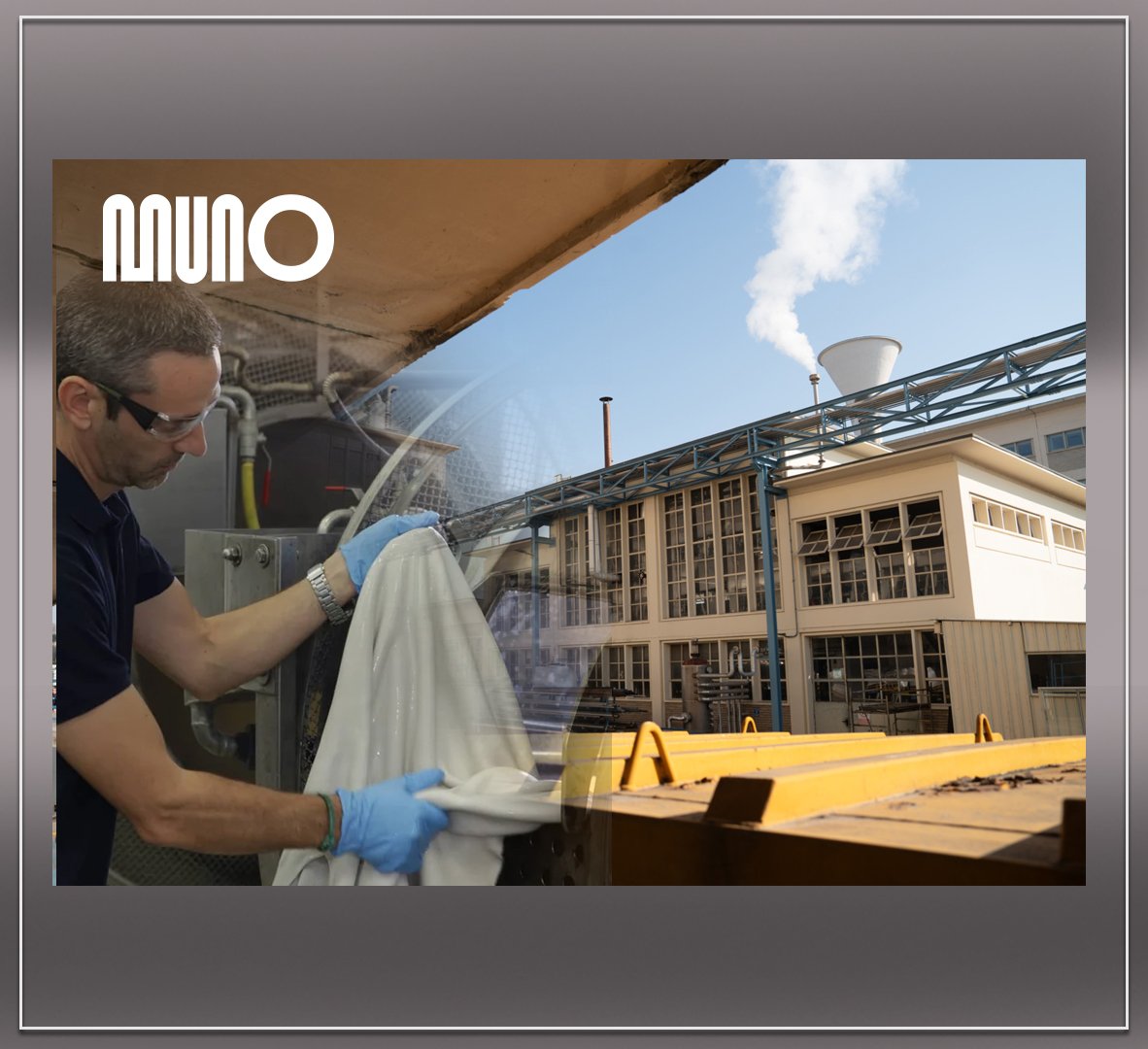
Built on more than a century of industrial expertise, Muno has officially begun operations as an independent company following its separation from Stahl. With a renewed focus on innovation, sustainability, and customer-centric partnerships, the company positions itself as a key player in the wet-end phase of leather production.
Muno enters the market with a strong global footprint, employing more than 450 professionals supported by 20 application laboratories and offices in strategic regions worldwide. Its production facilities are located in Italy and India. The company offers a comprehensive portfolio covering the entire wet-end process, including beamhouse operations, tanning, retanning, fatliquoring, dyeing, and waterproofing. Muno serves customers in over 60 countries across the footwear, automotive, upholstery, and leather goods sectors.
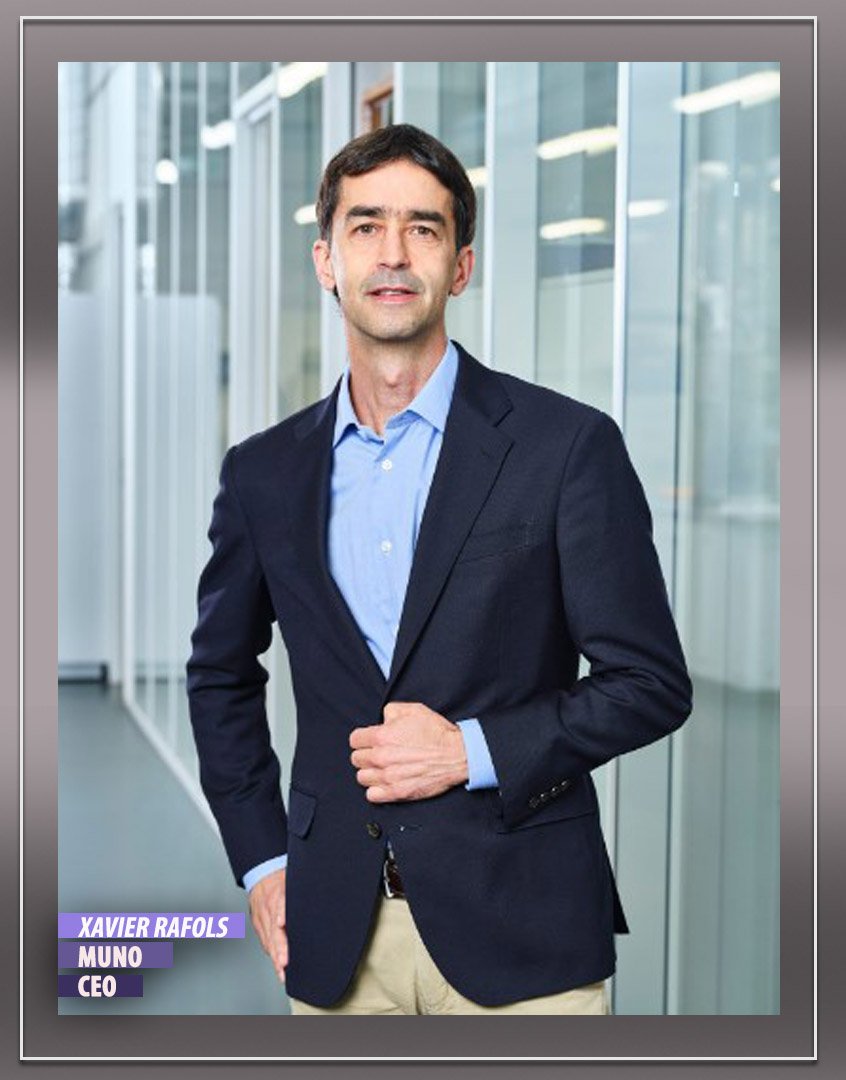


According to Muno CEO Xavier Rafols, the company blends deep technical expertise with an agile, future-oriented mindset:
“Muno builds on a strong industrial legacy but looks firmly to the future. We combine deep technical expertise with a start-up mindset to accelerate innovation and unlock new value for our customers and the industry as a whole.”
Innovation and sustainability are central to Muno’s strategy. Approximately 70% of its research and development projects are focused on sustainability, while 98% of its product portfolio is compliant with ZDHC standards. The company also holds more than 20 proprietary patents and operates in line with ISO 9001, ISO 14001, and ISO 45001 certifications across its production sites.
Stahl had announced plans in November 2024 to divest its wet-end chemicals division as part of a strategic realignment. Although a potential acquisition by private equity firm Syntagma Capital was considered, the deal was later abandoned due to weak market conditions. Despite this, the wet-end business was successfully carved out and relaunched as Muno.
With its stated purpose of “Driving Innovation Forward,” Muno aims to streamline leather production processes, reduce environmental impact, and support the global leather industry as it adapts to evolving regulatory and market demands.